

You should see a local orthodontist because they’re the dental specialists trained specifically to straighten teeth, correct bites, and guide jaw development. With two to three years of advanced training beyond dental school, an orthodontist offers expertise a general dentist simply can’t match, plus the in-person oversight that protects your smile long-term.

What Is an Orthodontist?
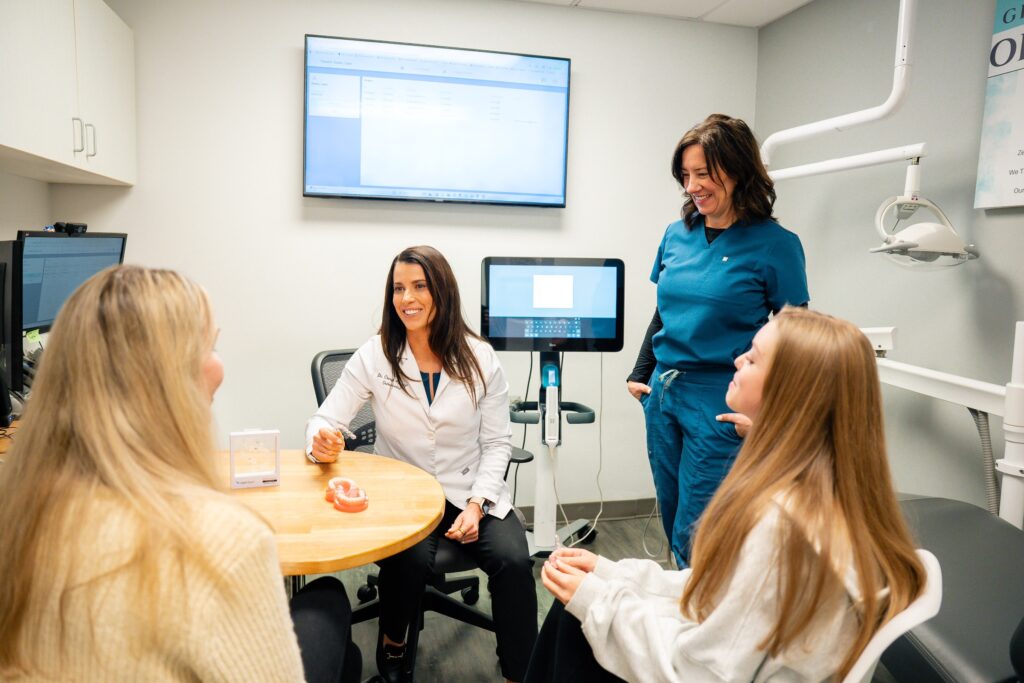
An orthodontist is a dental specialist who has completed two to three years of advanced training beyond dental school, focusing specifically on tooth alignment, bite correction, and jaw development. Think of them as the smile specialists. While general dentists handle cleanings, fillings, and overall oral health, orthodontists dedicate their entire practice to creating properly aligned smiles and functional bites. Dr. Cheryl Aldridge at Greater Chattanooga Orthodontics is one example of a specialist who completed this advanced training to focus exclusively on orthodontic care.
So what makes seeing an orthodontist different from other options? It’s the combination of specialized expertise and accessibility. When your orthodontist is nearby, you can attend frequent in-person visits, get quick help if a bracket breaks, and build a real relationship with someone who knows your smile inside and out. That ongoing connection is what makes specialist care stand out for families who want both expertise and a personal touch from someone they trust.
How Does Treatment with an Orthodontist Work?
Treatment with an orthodontist follows four main phases: exam, planning, adjustments, and retention. Getting started is simpler than you might think, and practices like Greater Chattanooga Orthodontics walk you through each step. Here’s what the process looks like:
- Free smile exam and digital records. Your first visit includes a free smile exam, digital scans, photos, and X-rays so your orthodontist can see exactly what’s happening with your teeth and jaw. No messy putty trays required.
- Customized smile plan. Based on your records, you’ll receive options designed for your case. This might include custom metal braces, custom clear braces, or Angel Aligners, depending on your case.
- Regular in-office visits. Every four to eight weeks, you’ll come in for adjustments. These visits keep your smile plan on track and let your orthodontist catch any issues early.
- Retention phase. Once your teeth are aligned, in-house 3D-printed clear retainers help keep your smile in place. Your orthodontist monitors your progress to make sure results last.
Being close to your orthodontist’s office makes it easier to stick with your visit schedule. That consistency matters for getting the best results in the shortest time, which is why so many Chattanooga families prioritize a nearby specialist.
What Are the Benefits of Seeing an Orthodontist?
Why does seeing an orthodontist make such a difference? Here are the advantages that matter most when you choose a specialist like the team at Greater Chattanooga Orthodontics.
Why Does Specialized Expertise Matter?
Orthodontists train specifically to diagnose and treat alignment and bite issues. They spot things general dentists might miss, from subtle jaw asymmetries to early signs of crowding. That depth of training means smarter decisions about your smile from day one.
Hands-On Care Improves Results
Your orthodontist can see things during a visit that photos or scans sent to a remote company simply can’t capture. Hands-on oversight leads to better outcomes and care built around your needs.
A few more benefits worth noting:
- Quick access for surprises. Popped a bracket? Lost an aligner? A nearby office can get you in fast.
- Easier scheduling. Frequent visits are part of orthodontic care. When your office is close by, fitting visits into your routine becomes much simpler, and missed visits are far less likely.
- Long-term relationship. Orthodontic care often spans months or years. Building trust with your provider means better communication and care designed for you.
- Community accountability. A nearby orthodontist has a reputation to maintain. The American Association of Orthodontists notes that in-person care from a trained specialist remains the safest and most effective approach to orthodontic care.
This kind of high-touch, you-first care is exactly what people look for when choosing a provider. You can learn more about our approach on our What Sets Us Apart page.
How Does an Orthodontist Compare to a Dentist or Mail-Order Aligners?
Not sure which option is right for you? Here’s how they compare:
| Factor | Orthodontist | General Dentist | Mail-Order Aligners |
|---|---|---|---|
| Training | 2-3 years beyond dental school in orthodontics | General dental degree | No in-person provider |
| In-Person Oversight | Yes, regular visits | Limited orthodontic focus | None |
| Smile Options | Full range: braces, aligners, jaw correction | Basic aligners only | Simple aligners only |
| Complex Cases | Can treat all severity levels | Often refers out | Not suitable |
| Emergency Access | Same-day or next-day visits | Varies | None |
| Retention Support | Ongoing monitoring | Limited | DIY |
The biggest difference comes down to oversight. An orthodontist like Dr. Cheryl Aldridge examines your teeth, jaw, and bite at every visit. A specialist adjusts your care plan based on how your teeth are actually moving, not just how a computer predicted they would move.
Mail-order aligners skip this step entirely. Without in-person visits, underlying issues like gum disease or root concerns can go unnoticed. The American Association of Orthodontists has raised concerns about the safety of care without professional supervision, particularly for cases involving bite correction or jaw alignment.
For straightforward spacing, multiple options might work. But for crowding, bite problems, or anything involving jaw development, specialist-level diagnosis makes a real difference.
What Affects the Cost of Orthodontic Care?
The cost of orthodontic care depends on five main factors: the smile option you choose, how complex your case is, the patient’s age, what’s bundled into the total fee, and any wallet-friendly financing or discounts available. Together, these factors explain why two people may receive very different price quotes for what looks like similar care.
Smile option
Custom metal braces, custom clear braces, and Angel Aligners each have different price points. Your orthodontist can explain which options fit your budget and goals.
Case complexity
Simple spacing corrections typically cost less than severe crowding or bite issues that require longer care plans. Costs can vary based on how long care lasts and what tools are involved.
Patient age
Early intervention for children has different costs than full care plans for teens or adults. Our orthodontics for all ages page explains how treatment can differ by age and stage.
What’s included
Some practices bundle in-house 3D-printed clear retainers and follow-up visits into the total cost. Others charge separately. Ask what’s covered before you start.
Wallet-friendly options
Insurance coverage, flexible payment plans, and discounts can help bring down what you pay out of pocket. Many practices offer military discounts, family discounts, and paid-in-full discounts to make care more accessible. You can review our financing and insurance options before your first visit.
A free smile exam is the best way to get an accurate estimate. During this visit, you’ll learn exactly what your care plan involves and what it will cost for your specific situation.
Who Should See an Orthodontist?
Orthodontic care isn’t just for teenagers with braces. Here’s who benefits from seeing a specialist:
- Children ages 7 and up. The American Association of Orthodontists recommends a first orthodontic evaluation by age seven. Early visits help identify jaw growth concerns and guide development.
- Teens with crowding, spacing, or bite issues. This is the most common age for care. Your teenager’s jaw is still growing, making it an ideal time to create lasting changes.
- Adults seeking discreet correction. More adults than ever are straightening their smiles. Options like Angel Aligners and custom clear braces work well without the look of traditional metal braces.
- Patients with TMJ discomfort. Jaw soreness, clicking, or difficulty chewing can sometimes be related to bite alignment.
- Anyone unhappy with their smile. Whether it’s crooked teeth, gaps, or a bite that doesn’t feel right, your smile has endless possibilities. Plenty of options exist for Chattanooga residents looking to make a change.
Frequently Asked Questions
Do I need a dentist referral to see an orthodontist?
No referral is needed. You can schedule a visit directly with Chattanooga’s trusted orthodontist anytime. Many people book a free smile exam on their own after noticing alignment concerns or wanting to explore their options.
How often will I visit my orthodontist during care?
Most patients come in every four to eight weeks for adjustments. The exact schedule depends on your smile option and how your teeth are responding. Living close to Chattanooga’s trusted orthodontist makes keeping these visits much easier.
What’s the difference between an orthodontist and a dentist?
A dentist handles general oral health, including cleanings, fillings, and gum care. An orthodontist is a specialist who completed extra years of training focused exclusively on tooth movement, bite correction, and jaw alignment. It’s a bit like the difference between your family doctor and a specialist who focuses on one area of health.
Is an orthodontist worth it compared to mail-order aligners?
For most patients, yes. In-person care means your orthodontist can monitor progress, catch concerns early, and adjust your care plan as needed. Mail-order aligners work without professional oversight, which limits what they can safely treat and increases the risk of complications or relapse.
How much does an initial orthodontic visit cost?
An initial orthodontic visit can range from no-cost to a small evaluation fee, depending on the practice. Many orthodontic offices offer a free smile exam that includes a full evaluation and recommendations at no cost to you. Asking about exam fees when you call to schedule is the easiest way to know what to expect.
At what age should my child first see an orthodontist?
The American Association of Orthodontists recommends an initial evaluation by age seven. At this age, your child’s smile reveals important details about jaw growth and permanent tooth development. Early visits don’t always mean early care, sometimes monitoring is all that’s needed.
Curious about your options? A free smile exam shows what’s possible for your smile and the care designed for you. You can also start with a virtual consult or contact our Chattanooga office to ask questions before scheduling.